Your Family’s Complete Care Under One Roof
Complete Pediatric Digestive and Imaging Services Delivering Clarity, Accuracy, and Comfort

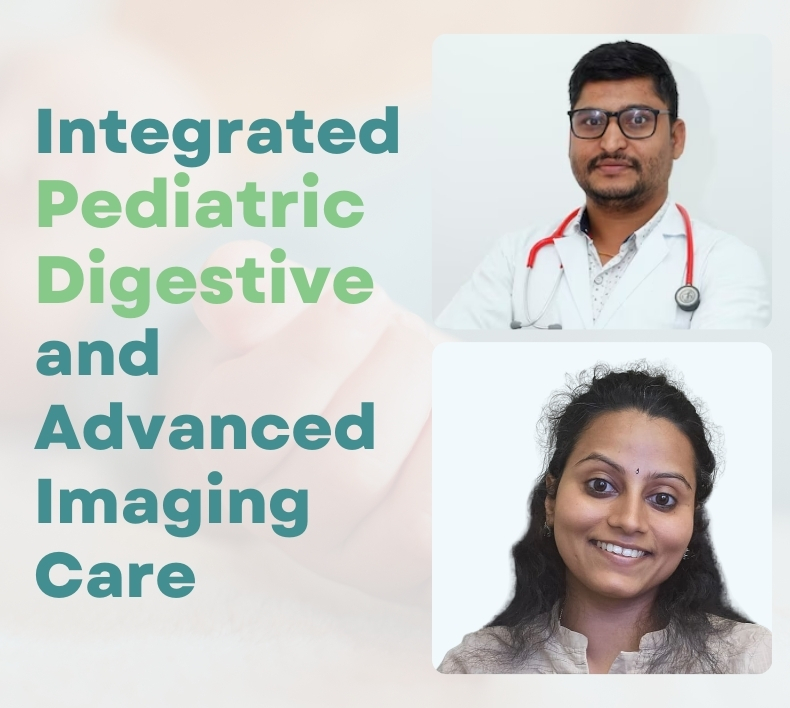
Complete Pediatric Digestive and Imaging Services Delivering Clarity, Accuracy, and Comfort
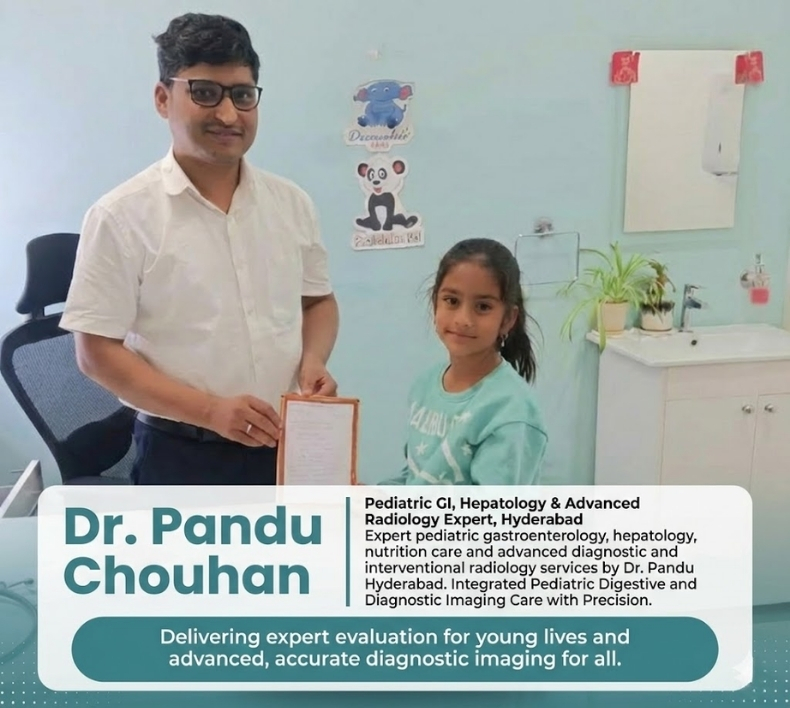
Delivering expert evaluation for loung lives and advanced, accurate diagnostic imaging for all

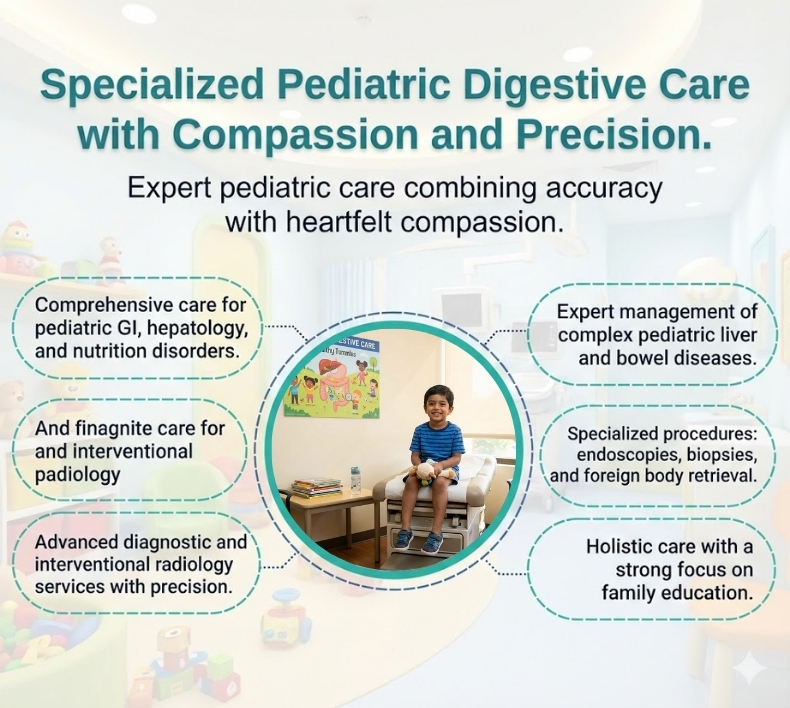
Specialized Pediatric Digestive Care with Compassion and Precision.

Expert pediatric care combining accuracy with heartfelt compassion

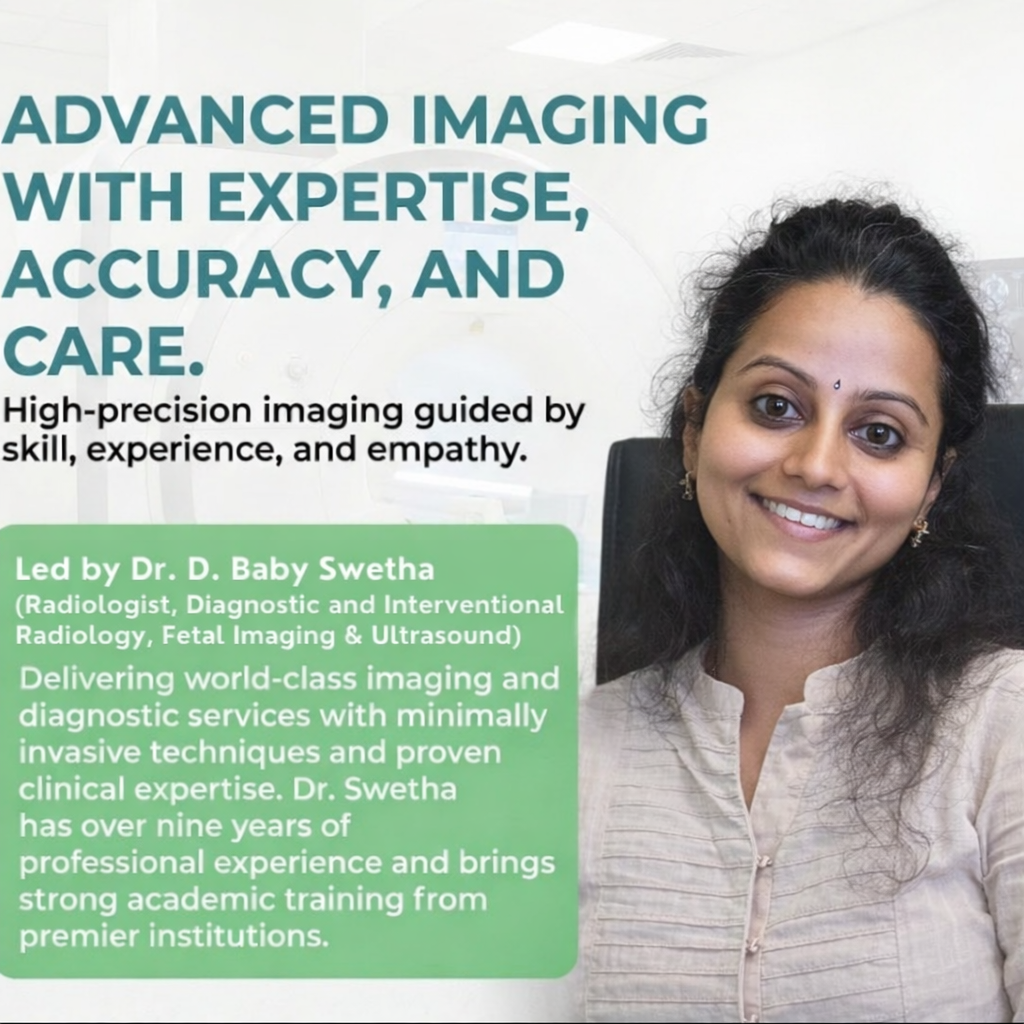
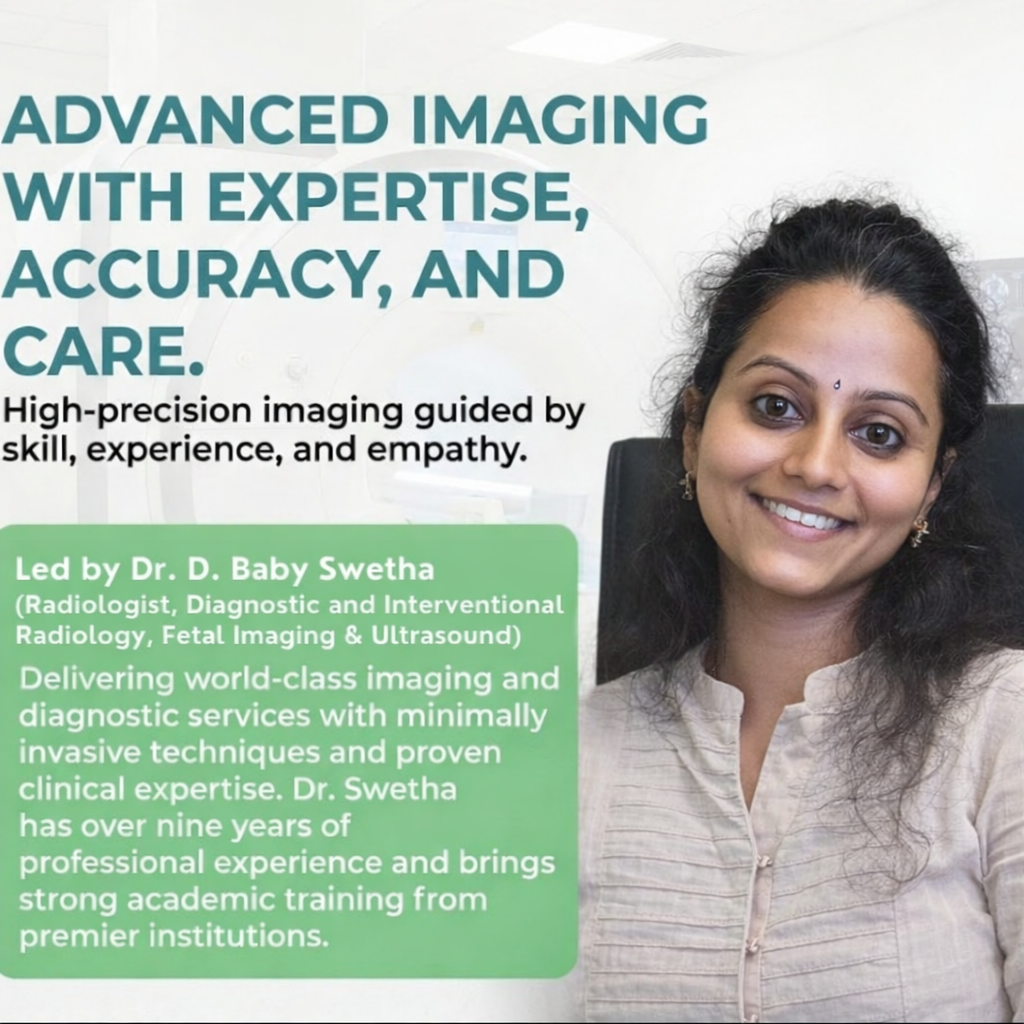
High-precision imaging guided by skill, experience, and empathy

Advanced diagnostic capabilities supported by experienced specialists and a patient-centered approach.

.jpg)
.jpg)
.jpg)

.jpg)
Specialized Pediatric Digestive Care and Precision Radiology Services in Hyderabad
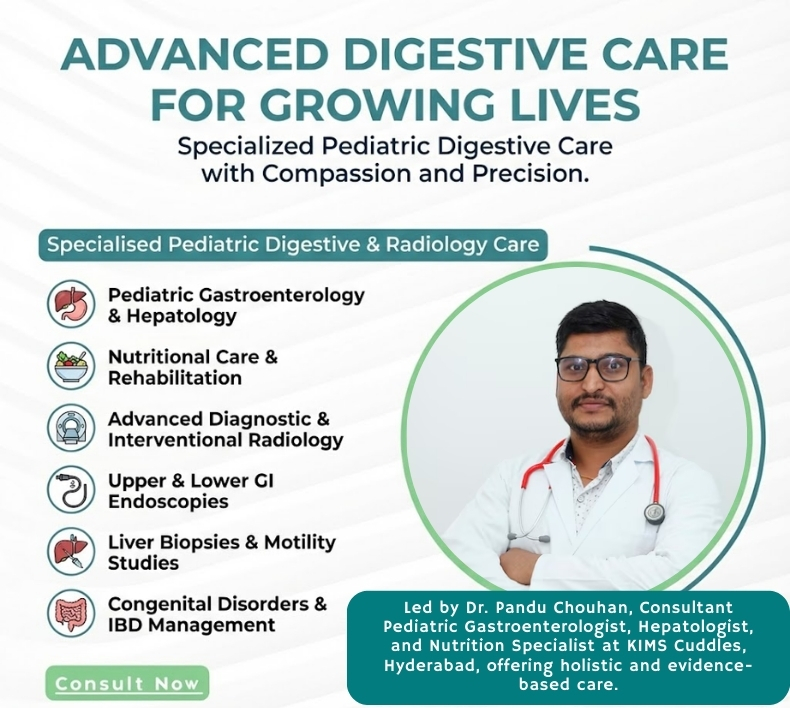
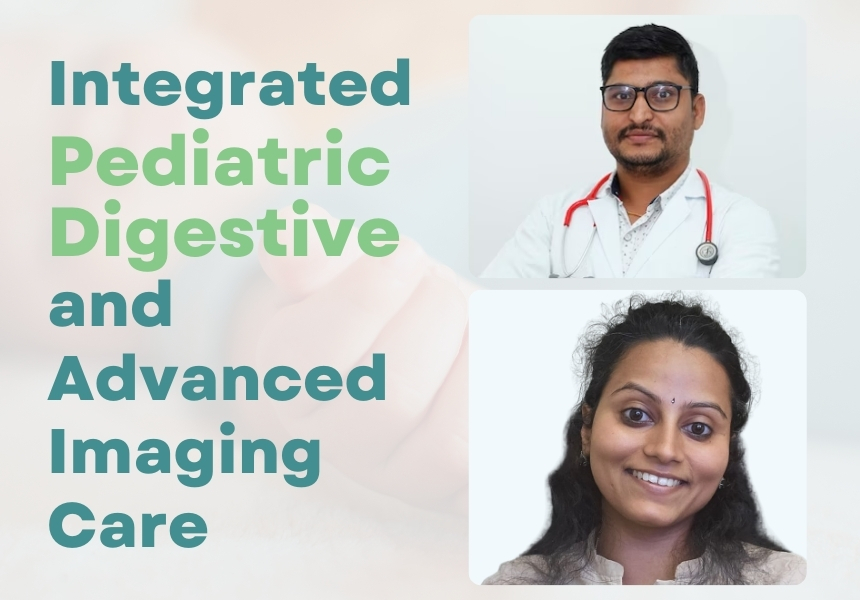
Dr. Pandu Chouhan and Dr. D. Baby Swetha are leading specialists in Hyderabad offering advanced pediatric gastroenterology, hepatology, clinical nutrition, diagnostic radiology, and interventional imaging services. Dr. Chouhan is a highly trained pediatric gastroenterologist with expertise in congenital diarrheal disorders, chronic liver disease, inflammatory bowel disease, pancreatitis, and complex nutritional disorders. He has performed over 1,500 upper GI and 500 lower GI procedures, including variceal band ligation, liver biopsies, motility studies, and foreign body retrieval.
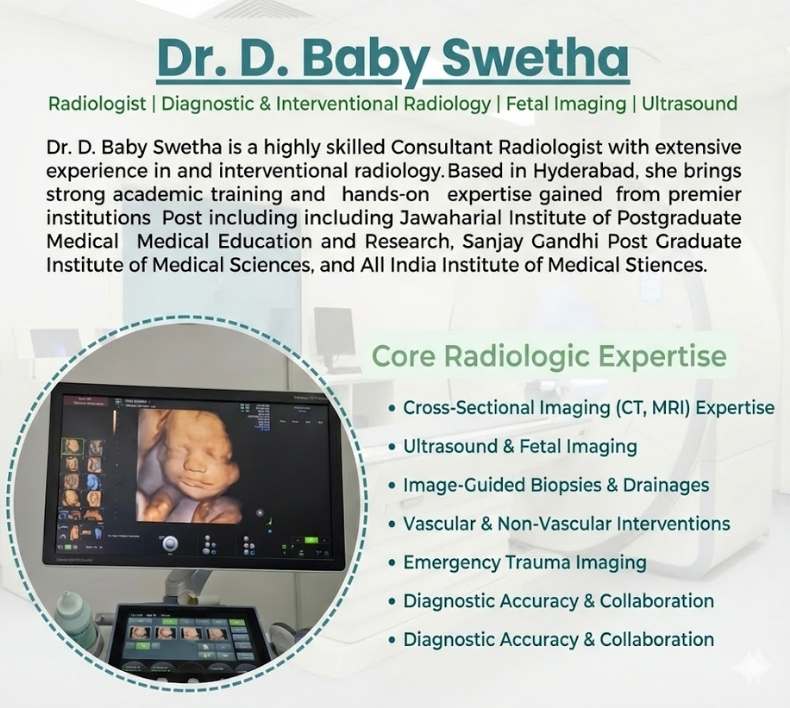
Dr. Swetha is an experienced radiologist with strong expertise in CT, MRI, ultrasound, fetal imaging, Doppler studies, and image-guided interventions including biopsies, drainages, nephrostomies, sclerotherapy, PTBD, FNAC, and emergency procedures. She also assists in advanced vascular and non-vascular interventions such as embolisation, stenting, TACE, TARE, and central venous access.
Together, they provide precise, evidence-based, multidisciplinary care ensuring accurate diagnosis, timely intervention, and comprehensive management for children and families.
Years of Experience
Medical Specialty Under One Roof
5 Star Reviews
Lives Touched
Expert multidisciplinary services for complete digestive and imaging care
Specialized care designed to support accurate diagnosis and effective treatment
About Doctor
.png)
Pediatric Gastroenterologist
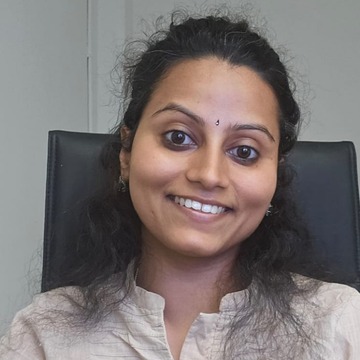
Radiologist
What our Patients says about us
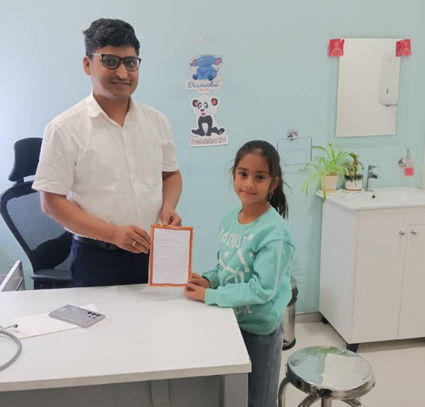
One of the best pediatric gastroenterologist I have come across. Doctor has very good experience.
Hi There, I'd highly recommend Dr. Pandu Chouhan Sir to anyone looking for a greatly experienced Gastroenterologist. The Gastroenterologist, Dr. Pandu is very knowledgeable, friendly and skilled to my notice. He took the time to explain to me in detail and answered all the queries i had. I felt comfortable and at ease i could clear all of my doubts throughout my appointment
Understand the problem very well thank u God bless you sir


Need Answers? Find them here...
What are the qualifications and training of Dr. Pandu Chouhan?
Dr. Pandu Chouhan is a highly trained Consultant Pediatric Gastroenterologist, Hepatologist, and Nutrition Specialist. He completed his MD in Pediatrics, senior residency, and advanced training in pediatric gastroenterology from the All India Institute of Medical Sciences, one of India’s premier institutions. He has performed more than 1,500 upper GI and 500 lower GI procedures, including therapeutic interventions like variceal band ligation, biopsies, motility studies, and foreign body removal. His training emphasizes evidence-based, compassionate, and child-centric digestive care.
What are the qualifications and expertise of Dr. D. Baby Swetha?
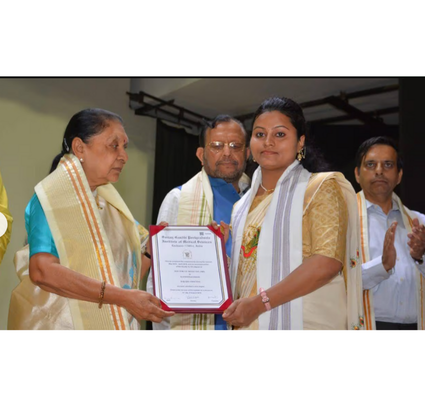
Dr. D. Baby Swetha is an accomplished Consultant Radiologist with extensive experience in diagnostic and interventional radiology. She trained at leading institutions including JIPMER, SGPGI, and AIIMS, where she completed junior residency, senior residency, and consultant-level work. With nine years of professional experience, she specializes in CT, MRI, ultrasound, Doppler, fetal imaging, and guided procedures. Her expertise includes biopsies, drainages, nephrostomies, PTBD, sclerotherapy, FNAC, and emergency radiology. She is recognized for her diagnostic precision, calm clinical judgment, and multidisciplinary collaboration.
When should I take my child to a pediatric gastroenterologist?
Consult a pediatric gastroenterologist if your child experiences persistent digestive symptoms such as chronic stomach pain, ongoing vomiting, blood in stools, constipation, diarrhea, weight loss, growth delay, food intolerance, or prolonged jaundice. These symptoms may indicate deeper GI or liver issues that require specialized evaluation. A pediatric GI expert provides age-appropriate diagnosis, intervention, and nutritional support. Early consultation helps prevent complications and ensures your child receives comprehensive care tailored to their development.
What makes pediatric endoscopy safe for children?
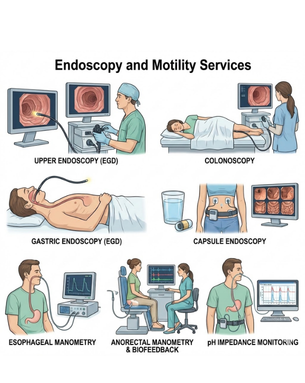
Pediatric endoscopy uses child-sized scopes, gentle techniques, and monitored sedation to ensure maximum safety and comfort. The care team includes trained pediatric gastroenterologists, anesthesia specialists, and nurses experienced in handling children. The procedure is minimally invasive and allows direct visualization of the digestive tract for accurate diagnosis or treatment—such as removing foreign objects, controlling bleeding, or performing biopsies. Most procedures are short, well-tolerated, and provide quick recovery, making endoscopy an effective and safe diagnostic tool for children.
What types of imaging services are offered?
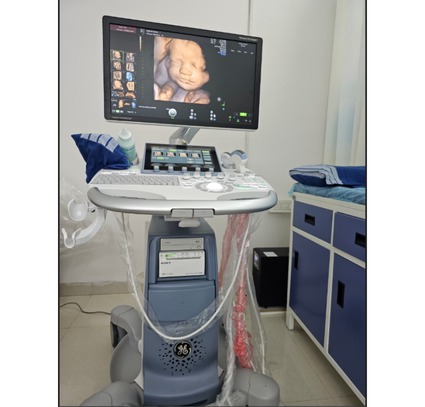
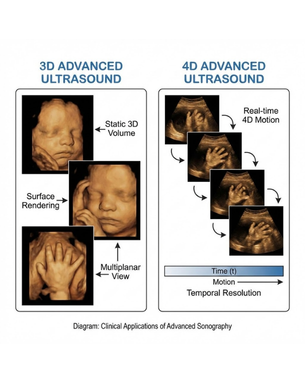
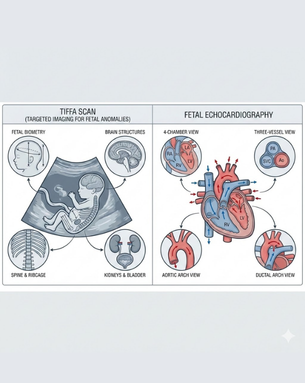
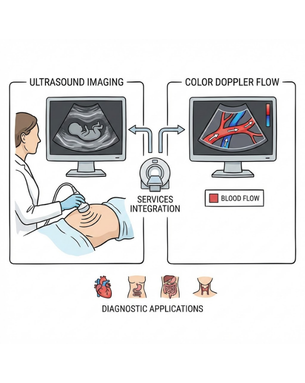
Imaging services include ultrasound, Doppler, TIFFA scans, fetal echocardiography, 3D/4D ultrasound, CT, MRI, and interventional procedures such as guided biopsies, drainages, nephrostomies, and sclerotherapy. These services are designed for patients of all ages, from routine evaluations to complex diagnostic needs. The imaging team uses advanced equipment, evidence-based protocols, and careful technique to deliver precise results. Whether for abdominal pain, neurological concerns, trauma, pregnancy evaluation, or second opinions, the imaging department supports accurate, timely clinical decisions.
What is fetal imaging and when is it needed?
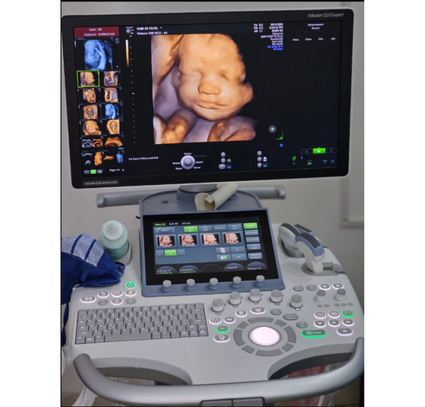
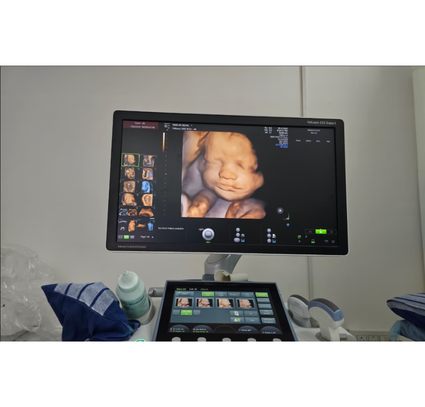
Fetal imaging includes TIFFA scans, fetal echocardiography, growth scans, Doppler studies, and 3D/4D imaging. It is recommended between 18–24 weeks, or earlier/later depending on the pregnancy. It is essential for detecting structural anomalies, monitoring fetal heart development, assessing placental and blood flow abnormalities, and evaluating high-risk pregnancies. Mothers with diabetes, hypertension, IVF pregnancies, previous complications, or abnormal screening results benefit greatly. Early detection enables better planning, timely interventions, and coordinated perinatal care.
How is liver disease evaluated in children?
Liver evaluation may involve blood tests, ultrasound, elastography, and sometimes endoscopy or biopsy. These help assess liver size, inflammation, structure, and function. Pediatric hepatologists investigate causes such as infections, metabolic issues, congenital defects, autoimmune diseases, or acute liver injury. Early assessment is essential to prevent complications like poor growth or liver failure. Based on findings, the specialist develops a targeted treatment plan and long-term monitoring strategy to support liver health and recovery.
How are congenital or chronic diarrheal disorders diagnosed?
Diagnosis includes medical history, stool evaluation, blood tests, genetic analysis, imaging, and sometimes endoscopy. Specialists look for enzyme deficiencies, malabsorption conditions, infections, inflammatory disorders, or congenital abnormalities. These disorders often cause dehydration, weight loss, and growth issues, making early diagnosis essential. Once identified, treatment may include special diets, enzymes, immune therapies, or nutritional rehabilitation. The goal is to stabilize symptoms, improve nutrient absorption, and support normal growth and development.
What interventional radiology services are available?
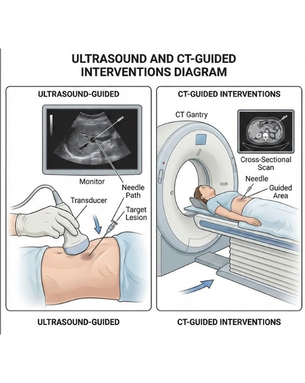
Interventional radiology services include ultrasound- or CT-guided biopsies, fluid drainages, nephrostomies, PTBD, sclerotherapy, FNAC, vascular access procedures, and emergency interventions. These minimally invasive procedures benefit patients of all ages and often replace the need for open surgery. Guided by real-time imaging, the radiologist performs precise, targeted treatments with shorter recovery time, less pain, and lower risk. Such procedures play a key role in diagnosis, symptom relief, and ongoing disease management.
Are CT and MRI scans safe for adults and children?
Yes. CT and MRI scans follow strict safety protocols for both adults and children. CT scans use optimized low-dose radiation settings, while MRI uses zero radiation. Radiologists choose the safest and most appropriate scan based on the clinical need. For young children or anxious adults, sedation may be used only when necessary to ensure stillness and accuracy. These imaging modalities provide detailed, reliable information essential for diagnosing neurological, abdominal, musculoskeletal, or trauma-related conditions.
How does ultrasound help in diagnosis?
Ultrasound is a safe, radiation-free imaging tool suitable for all ages. It provides real-time images of organs, blood flow, soft tissues, and the fetus during pregnancy. Ultrasound is commonly used to evaluate abdominal pain, liver disease, gallbladder problems, kidney issues, vascular flow, and pregnancy conditions. It also guides procedures like biopsies or fluid drainage. Because it is quick, painless, and widely accessible, ultrasound is often the first diagnostic test recommended for many conditions.
Why is nutrition important in treating pediatric digestive disorders?
Nutrition is central to managing pediatric digestive diseases because many GI and liver disorders directly affect nutrient absorption, appetite, and growth. A pediatric gastroenterologist works with families to develop tailored nutrition plans that address deficiencies, restore growth, and prevent complications. This may include special formulas, enzyme supplements, dietary restrictions, or targeted nutrient therapy. Proper nutrition supports immune function, reduces symptoms, and plays a long-term role in helping children achieve optimal health.
How is chronic abdominal pain managed in children?
Management begins with a detailed assessment to identify causes such as reflux, constipation, food intolerance, inflammation, infection, or functional pain. Diagnostic tools like ultrasound, endoscopy, and lab tests help clarify the cause. Treatment may include medications, diet modifications, probiotics, behavioral strategies, and regular follow-up. Specialists focus on relieving symptoms, preventing school disruption, and ensuring normal growth. A holistic plan involving nutrition, lifestyle changes, and emotional support often produces the best outcomes.
What happens during a child’s endoscopy or colonoscopy?
A pediatric endoscopy or colonoscopy is performed under gentle sedation to ensure comfort. A flexible, camera-equipped scope is guided through the digestive tract to examine, diagnose, or treat conditions. The doctor may take biopsies, remove polyps, or retrieve foreign objects. The procedure is short, safe, and minimally invasive, with children usually recovering quickly afterward. It provides accurate insights that help guide targeted treatment and long-term care plans.
What is a second-opinion imaging review?
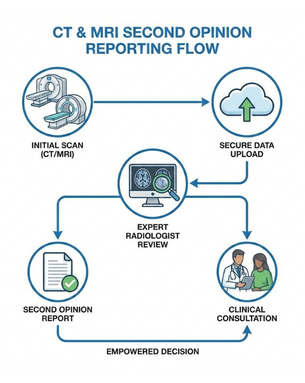
A second-opinion imaging review involves reassessment of CT, MRI, ultrasound, or fetal imaging by an expert radiologist. It helps verify accuracy, detect previously unnoticed findings, or offer alternative interpretations. This is especially valuable when surgery is planned, symptoms persist despite normal findings, or families need reassurance. A second opinion strengthens treatment decisions, reduces misdiagnosis risk, and provides patients with confidence that reports are thorough, precise, and clinically relevant.
No location data available for this clinic.
Website Powered by icareheal
© Dr. Pandu Chouhan and Dr. D. Baby Swetha 2025